Photovoltaic Cells
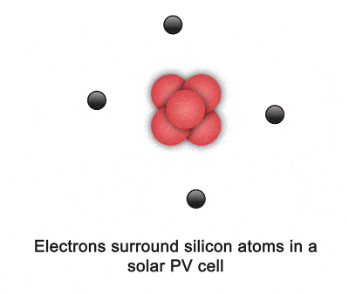
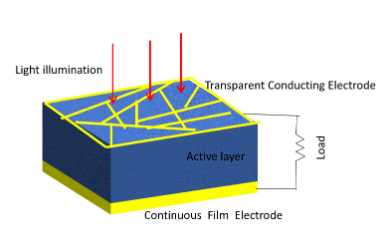
The photovoltaic effect is the process by which light is directly converted into electricity. When light strikes certain materials, its energy is absorbed and used to dislodge electrons from their normal positions within the material. This creates charge pairs—free electrons and the “holes” they leave behind. If the material has an internal electric field, these charges are driven in opposite directions, causing the electrons to move in a single, organized flow. This movement of charges constitutes what is known as an electric current.
Simply put, the photovoltaic effect captures the energy of incident light, creates mobile electric charges, and then sets them in motion. This fundamental process is the basis of all solar electricity generation, regardless of the type of solar cell or technology used.